Spotlight
By Sara Wael
October 02 2026
By Sara Wael
October 02 2026
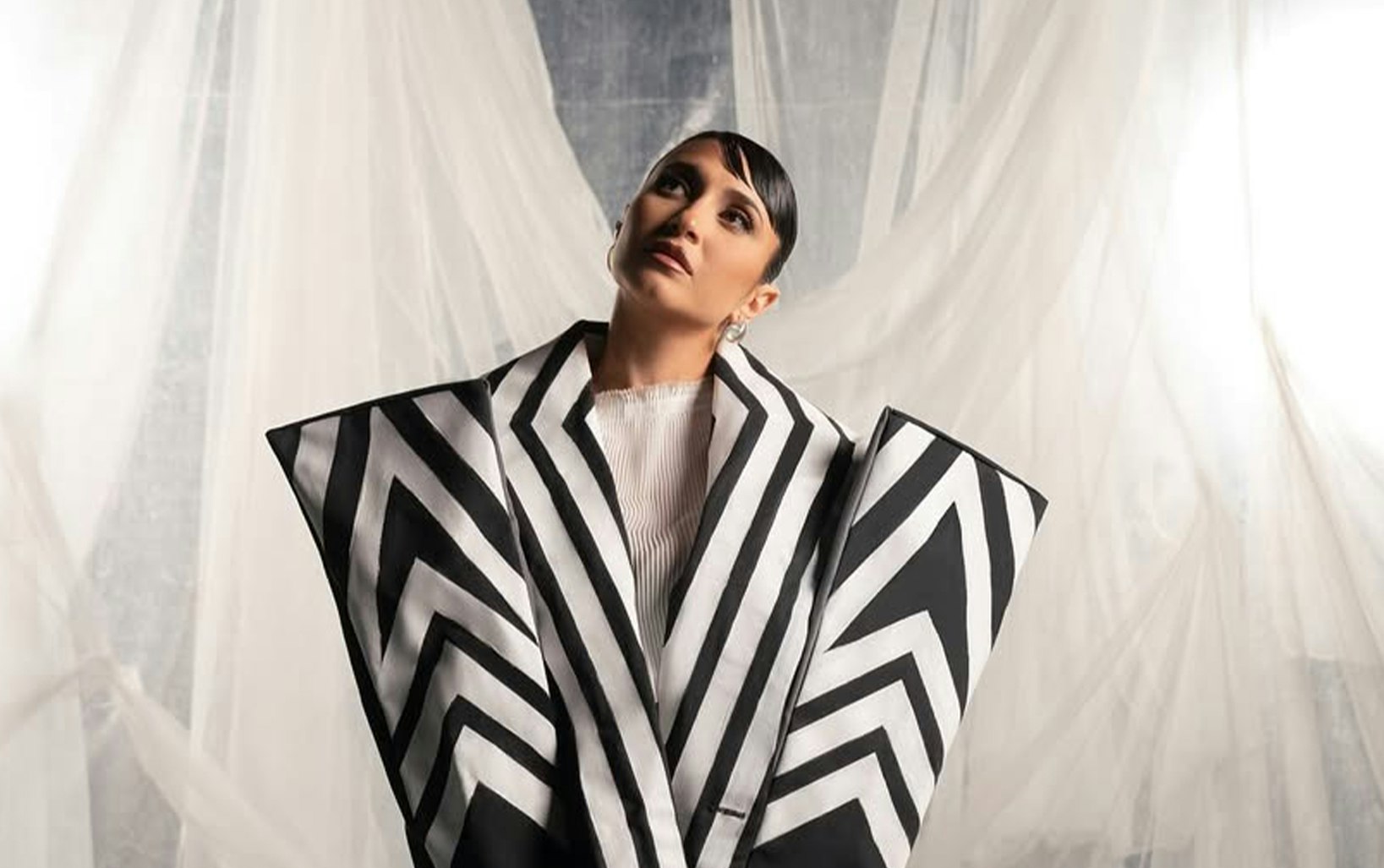
Lina Makhoul’s work exists at the intersection of music, land, memory, and resistance. Across more than a decade-long career, she has built a body of work that is deeply personal yet relatable, rooted in place while resonating globally. Whether on intimate stages or international festivals, Lina approaches music not just as performance, but as a lived practice; one that reflects displacement, endurance, joy, and the constant negotiation between inner worlds and imposed systems.
In her latest chapter, which includes the upcoming single “AKKA”, the release of “Radiya”, and a touring concept titled “AlMajlis,” Makhoul is entering what she describes as her most powerful phase yet.
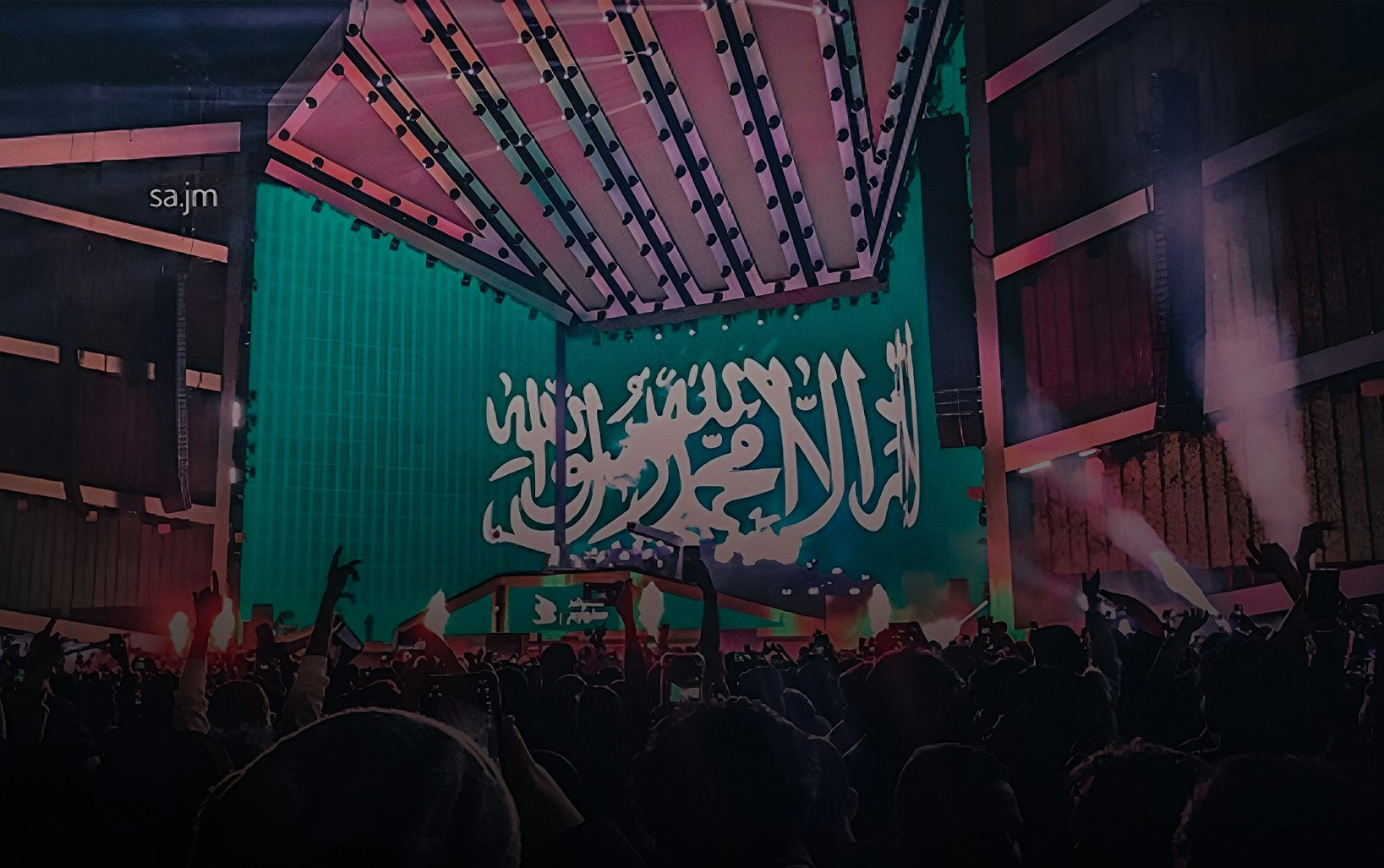
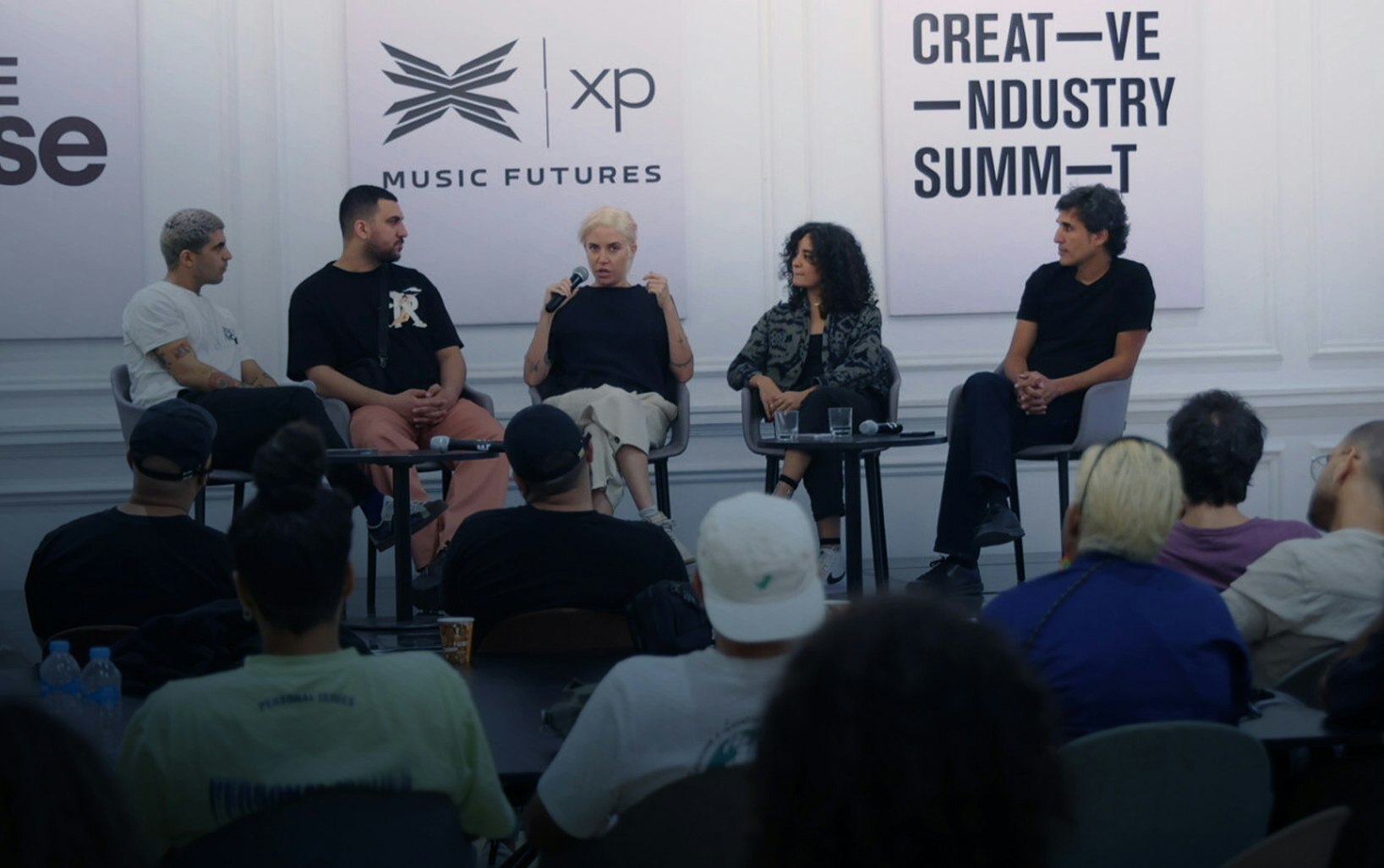
During this era, we sat down with Makhoul following a powerful performance at XP ’25, reflecting on the path that led her here, from her earliest memories of singing to the stages she stands on today.
1. You’re about to drop the single AKKA. Can you walk us through the core messages you’re channeling in this track, and tell us what inspired it?
“I wrote it during a 3 month tour with Saint Levant last year .. one last push before I finally got to go back home, ditch dystopia, and get back to reality .. I wanted to have a song I could sing whenever I’m far from home and want to scream for my city; to shout out my city. I wanted to go back and shoot Akka in the most beautiful and cinematic way it’s ever been captured. I wanted to sing what wandering in Akka feels like. I wanted to remind everyone in Akka and within the 48 borders that we’re here to stay, especially in a time when we’re being forced to keep our mouths shut and our heads down.”
2. You’ve taken your shows to stages across the globe. How does each venue or city bring its own energy, and is there a single performance or moment that remains unforgettable for you?
“I learn something new about the person I am and the person/artist I’d like to become in every city I perform in. My most unforgettable moment from this past year was a show in Paris at Cabaret Sauvage, a rounded venue that feels like a circus. Mid-set, I suddenly felt like performing Hallelujah while sitting on the floor. The second I made that choice, one person decided she was going to sit on the floor too. I turned around (since everyone was standing in a circle) and saw another person deciding to join. And then, like a magical domino, everyone, like 400 people decided they were all going to sit on the floor as well.”
3. Your latest release ‘Radiya’ reveals a side of you we haven’t yet heard, exploring a new theme and sound. What sparked this shift, and how did the music video production reflect that change?
“After songs like Fish Masari, Shway Shway, and On Mute, which are all very emotionally loaded, I needed a breather. I needed to deliver an emotion that wasn’t anger or sadness. And since there hasn’t been a collective moment of joy in the past two years, I felt like my deepest feeling on the positive spectrum was contentment .. It made me count my blessings .. That’s what made me decide I was going even bigger for this music video..
For the first time ever, I decided my music video wouldn’t be fully shot in Palestine. We had four shooting days: two in Palestine, one in Berlin, and one at the Jordanian Dead Sea .. Collaborating with so many creatives and professionals who share the same passion, responsibility, and craft that I do through art is what brought this amazing result to life in the embodiment of the Radiya music video.”
4. You’ve described this chapter as your ‘most powerful one yet’. In your own words: what makes it the most powerful? What has changed?
I’m finally able to create from a place that is not survival. Coming from a place where you’re systematically designed to not be able to plan ahead makes success so tough and challenging .. All of us have lived through constant career-related disappointments; postponing the release of a song I’ve been working on for so long .. canceling a show you've been relying on the ticket sale when you really need that money because the occupation decided to commit a crime ..
I’ve been spending enough time among healthier nervous systems, and I was finally able to start learning how to regulate mine. It’s still very challenging every time I return home from a tour, but alhamdulillah there’s been such great progress.”
5. Let’s dive into the Radiya music video. You chose very different themes, choreography and wardrobe in this piece. What story were you aiming to tell through those visual choices?
“The Music Video examines the universal tension between humanity’s inner light and the oppressive forces of external systems, emphasizing resilience, unity, and the pursuit of balance. LINA (for example) symbolizes the warrior of light: resilient, hopeful, determined .. The Car represents “The System,” the kingdom of darkness: a force of control, chaos, and the challenges humanity must navigate.. The Dancers embody unity and community, moving as a collective of light warriors. Their synchronized movements illustrate the power of connection and shared strength ..
The video ends when I realize that I’m giving the car power by running. I will get exhausted, and I’m going to lose anyways. So I decide to stop running, and dictate the pace for the car by walking and enjoying what I’m surrounded by. For the credits, I chose to show Palestinian scenery and beauty rather than occupation-made concrete walls and surveillance towers ..”
6. You were part of the 2025 XP edition, participating both in the Nite program and the Hunna Gathering. What does this dual-role mean for you, and what are you most looking forward to bringing or discovering there?
Honestly, this was my first time ever in Saudi Arabia and I really didn’t know what to expect. I couldn’t even picture it in my head .. I ended up meeting people from everywhere, literally, and the artist village turned out to be one of those places where you feel like everyone’s paths were meant to cross.
As a Palestinian artist coming from a place that doesn’t have anything close to a proper music-industry structure, I’ve always had to find weird, alternative ways to be seen and heard .. I told myself I’d pass on whatever I learned; good or bad..
So being a mentor on HUNNA came at the right time for me .. It helped me look at older versions of myself and actually make peace with them .. it felt like a really meaningful way to end the year.
7. You recently wrapped your tour under your new concept called ‘AlMajlis’. How would you describe that experience, creatively, logistically and emotionally? and is this something you see returning soon?
It was honestly an experimental tour. I was performing new music to smaller audiences just to feel things out .. I was also testing collaborations with different artists in every place I went to, which made the show feel a bit like home for the local community. It was my way of saying thank you for how they’ve been holding me all these years.
I also collaborated with the Lebanese NYC based calligrapher, graphic designer and artist Wael Morcos. He created this exclusive blanket with lyrics from my unreleased track “Habibah,” and I used that as merch .. I was playing around with this idea that capitalism is so tied to individualism, and I’ve been trying to find ways around that in an industry that’s super capitalistic and insanely gatekept.
8. And lastly, if you were to go back to your earliest singing memory; what was it like? And how did you decide to start your career in music?
The first memory I have of me not singing for fun but actually obsessively practicing how to nail a song was when I was 12, practicing “You Raise Me Up” by Westlife. It got to a point where I would leave my room and practice in the living room when my mom was on the phone, just to get the attention of my aunt whom she was speaking to. I decided I wanted this as a career after graduating high school and watching an orchestra play. I knew this is where I’m meant to be. That is where I belong.
Share this