Spotlight

By Nour Ezzedine
October 02 2026
By Nour Ezzedine
October 02 2026
In today’s music landscape, where social media, streaming platforms, and live events intersect with journalism, a press kit has become an essential tool for artists. It is a way to present their identity and story in a complete and professional manner.
A press kit gathers an artist’s biography, visuals, works, and listening links in a single, accessible package, allowing media professionals and event organizers to understand and present the artist accurately. It gives artists control over how their story and music are introduced to the world.
Artists can begin by compiling all their content: bio, photos, music, and videos, into a well-organized folder, choosing a format that works best for distribution, whether as a PDF, a webpage, or a shared cloud link.
In this article, we will provide practical tips on how artists can build their own press kit, highlighting the elements that make it effective and compelling.
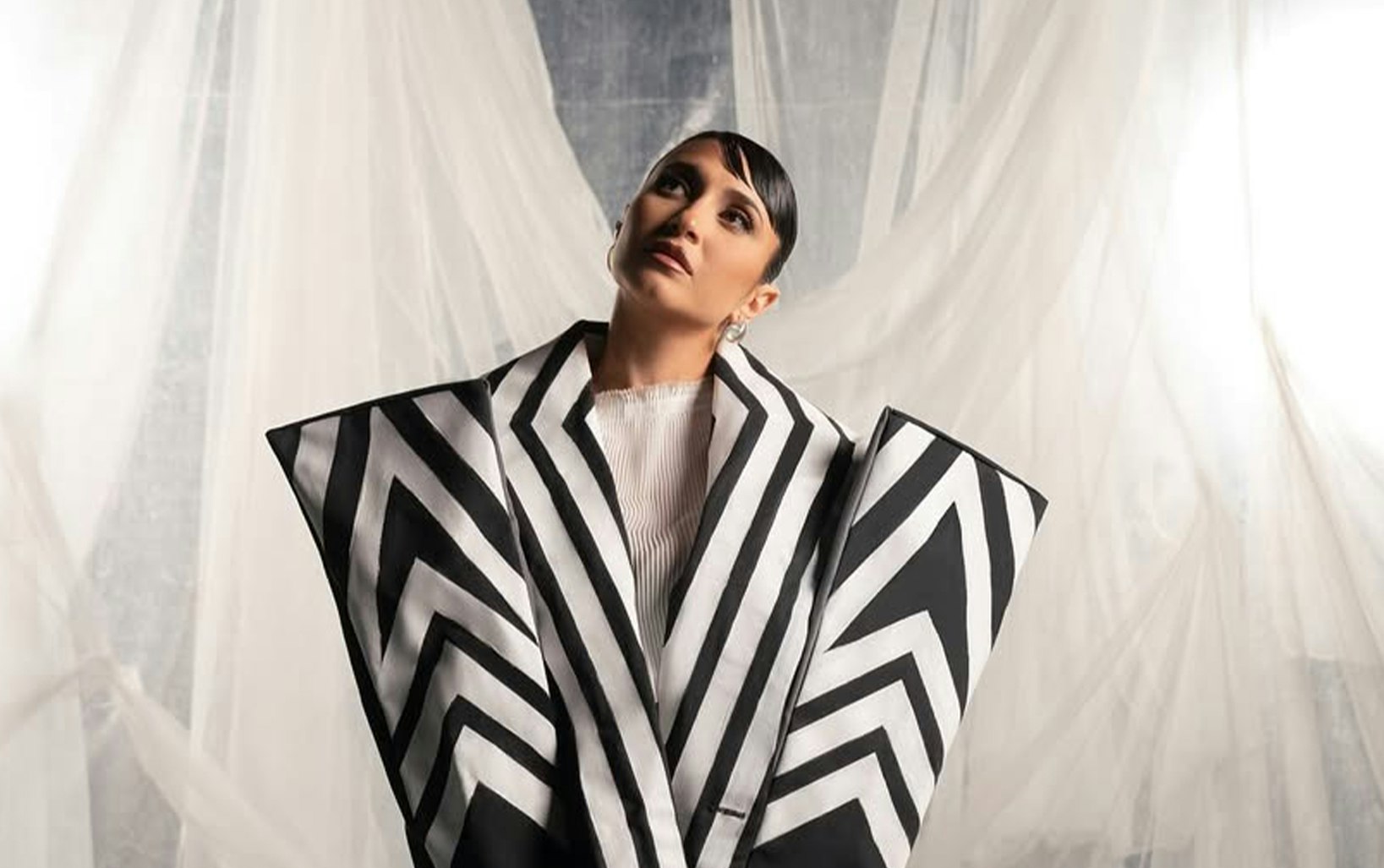
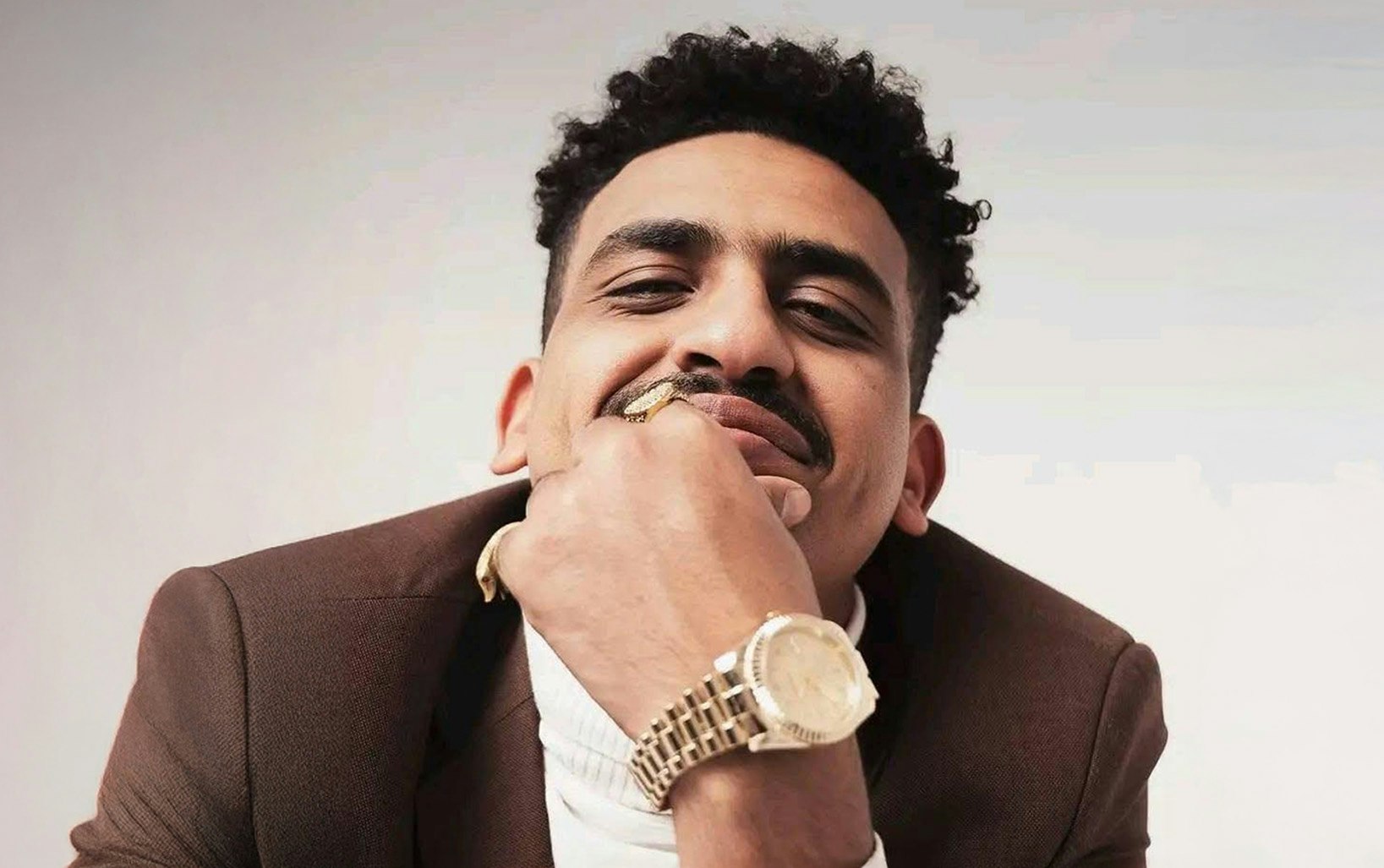
The first impression of a press kit is visual. High-quality professional photos, album covers, and live performance images should reflect the atmosphere and style of the artist’s music. Visual consistency is key from logos to design elements while keeping the layout clean and easy to navigate.
To maintain a professional appearance, artists should select images carefully, adhere to a consistent color palette and font style, and organize visuals in a logical order, from profile photos to album art and live performance shots. Keeping the layout clean and easy to navigate ensures that media professionals are encouraged to explore the rest of the kit, reinforcing the artist’s professional image.
At the heart of the press kit is the artist’s story. A brief bio introduces the artist and their musical style, while a longer version details their journey, collaborations, and major milestones.
Artists can write a concise one-paragraph bio of 50–100 words alongside a more detailed 200–300 word version that highlights achievements, awards, and notable collaborations. Having someone else review the text can help ensure clarity and engagement. This storytelling provides journalists with a clear and compelling way to present the artist to their audience while emphasizing authenticity and the unique experiences that define their career.
A press kit should showcase the artist’s music, including albums, singles, and live performances, with direct links for listening or viewing. Each release should be accompanied by a short description that highlights what makes it distinctive, such as style, production techniques, concept, or genre. Organizing this information with links to streaming platforms or video performances allows media professionals to quickly grasp the scope and depth of the artist’s work, making coverage easier across multiple channels.
To enhance credibility and demonstrate achievements, a press kit can include past media coverage, reviews, or quotes. Including downloadable resources, such as high-resolution images, logos, and album artwork, makes it simple for journalists to use the materials directly in articles or campaigns.
Artists should regularly update the kit with new releases, performances, or collaborations, and ensure that all contact information and links remain current. This keeps the kit dynamic and helps maintain a professional presence, maximizing opportunities for media exposure.
When crafted thoughtfully, a press kit becomes more than a promotional folder — it reflects the artist’s identity, professionalism, and ambition. It communicates who the artist is before their music even begins to play.
Share this